TCGplayer vs Cardmarket Price Differences Explained
Learn why TCGplayer and Cardmarket prices differ and how to compare US vs EU listings using condition, currency, shipping and fees, and regional demand.
Learn to verify Pokemon card values using TCGplayer market price, Cardmarket trend price, eBay sold listings, and condition checks to avoid bad comps.
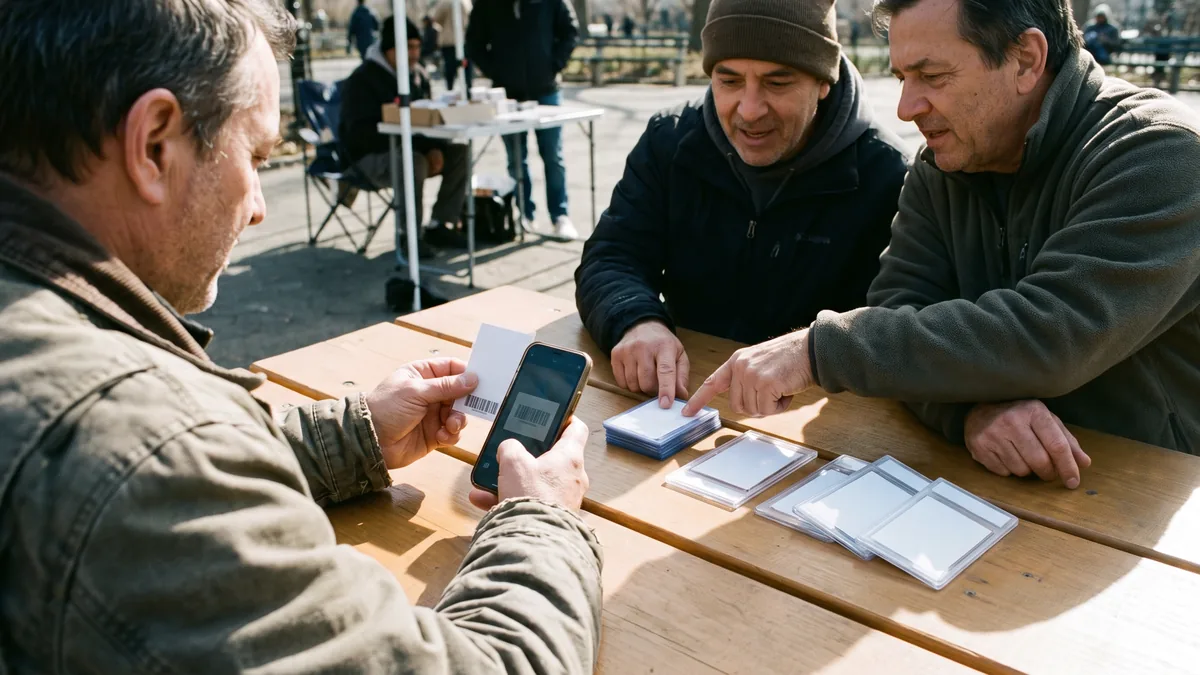
Most price mistakes come from comparing the wrong card to the one in your hand. Here’s a practical, repeatable way to identify the exact printing, match condition, and confirm value using sources collectors actually trust.
Before you check any price, lock in exactly what you have. “Charizard” isn’t a card—it’s hundreds of different printings across sets, languages, and finishes.
Do this quick checklist under good light:
123/198 (modern) or a single number (some older eras).Actionable tip: If your card has the same artwork as another version, the collector number and set name/symbol are the fastest way to avoid pricing the wrong printing.
These are the errors I see at the shop counter every week:
If you’re stuck identifying a card (especially foreign languages or similar reprints), Scanner TCG AI can help you scan and pull the likely matches—then you still confirm the collector number and finish before trusting any value.
Different sources answer different questions. The trick is knowing what each number represents and what it doesn’t.
TCGplayer market price is a widely used baseline for English singles, built from marketplace activity. It’s useful because it updates with buying/selling behavior, but it’s not a guarantee of what your copy will sell for.
Best practice checks:
Actionable tip: When you see a market price that feels “off,” click into the listing view and check whether most available copies are LP/MP rather than NM—that alone can skew your expectation.
For Europe, Cardmarket trend price is a common reference point. The trend is designed to smooth out noise, which is helpful—but it can lag behind sudden moves and may reflect regional availability.
Best practice checks:
Actionable tip: If the trend looks stale, use it as a starting point, then verify with current listings and recent sold data for the same language and condition.
eBay sold listings are the closest thing to “what people actually paid” in a broad, real-world marketplace—if you filter correctly.
Actionable tip (the filter that matters):
Pikachu 173/165).Be strict: a sold listing with blurry photos or vague condition (“looks good”) is a weak comp.
Condition is where most pricing arguments happen, and it’s also where you can gain the most accuracy fast. Marketplaces use shorthand, but you should train your eye to see what those grades mean physically.
Most platforms use variations of:
Actionable tip: Use a bright desk lamp and tilt the card—surface scratches and dents show up at angles that are invisible straight-on.
Do this every time before you price:
If you plan to sell online, take photos that show edge wear honestly. It reduces returns and disputes.
A single sale can be an outlier. A single listing can be wishful thinking. Real pricing comes from patterns.
Use this 5-point match rule before you compare prices:
Then look at several results and form a range in your head based on what is consistently selling, not what’s posted.
Actionable tip: Build a simple note for yourself: “Last 5 sold NM copies” and “current lowest NM listings.” That’s your practical price history snapshot without relying on any single metric.
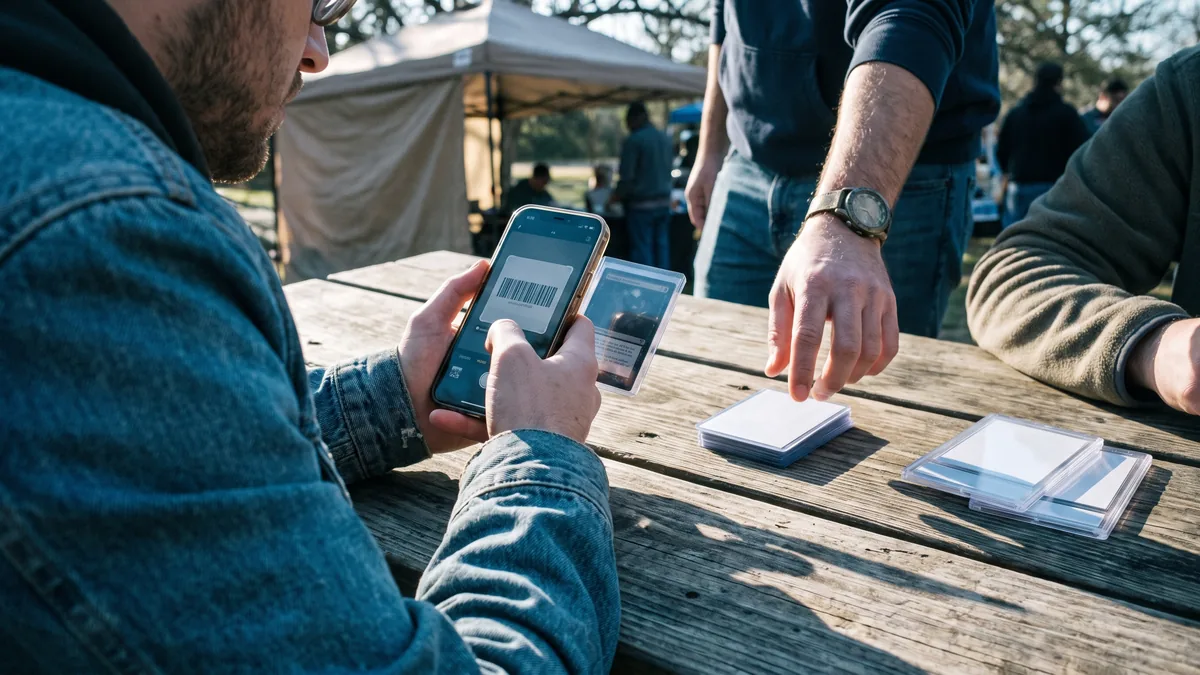
Even without quoting numbers, you can recognize suspicious movement:
Actionable tip: When a price seems inflated, open the sold listings and confirm the exact version in the photos (set symbol/number). If you can’t verify, don’t use it as a comp.
Raw and graded markets behave differently, and mixing them will wreck your valuation.
A graded card price reflects:
If you’re checking graded prices, compare only:
Actionable tip: If you’re deciding whether to grade, first price your card as raw in its realistic condition, then separately check graded sales for the grade you actually think you can hit, not the best-case gem.
Modern Pokémon is loaded with variants that look similar at a glance but price very differently.
Actionable tip: If the card is textured, take a close look at the surface and compare to the set’s checklist images—texture patterns are often the fastest tell between two “similar” rares.
Tools are great for speed, but your accuracy comes from verification.
If you’re cataloging a collection, Scanner TCG AI can speed up identification and logging while you still sanity-check the exact version and condition before you rely on any value.
Start by matching the collector number and set symbol, then confirm the finish (holo, reverse, or non-holo) under angled light. If multiple versions share artwork, the number and set info prevent wrong comps. Always confirm language before comparing prices.
It’s a strong baseline for English singles, but it’s not a guaranteed sale price for your specific copy. You still need to match condition and verify the exact printing, then compare against current listings and recent sold comps. Use it alongside eBay sold listings for reality checks.
Cardmarket trend price is a smoothed indicator based on marketplace activity, useful for reducing noise from one-off listings. Treat it as a baseline and confirm with current listings in the same language and condition. If the market is moving fast, the trend can lag behind.
Most “same card” differences come from mismatched versions (promo vs set, reverse holo vs holo), different conditions, or graded versus raw sales. Filter to Sold items and verify the collector number, language, and finish from photos. Ignore comps you can’t confirm visually.
Learn why TCGplayer and Cardmarket prices differ and how to compare US vs EU listings using condition, currency, shipping and fees, and regional demand.
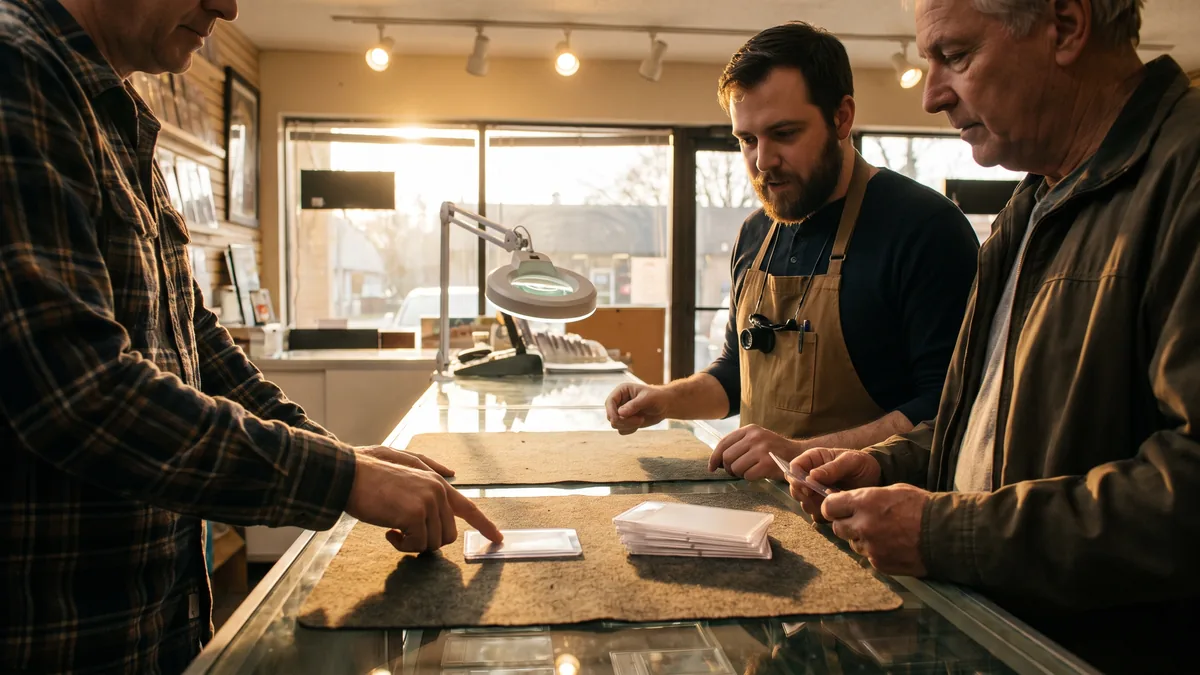
Learn how to identify your card, verify condition, and use market price and sold listings for a reliable Pokemon card value and card price lookup.
Release order, set structure, numbering, rarity symbols, print quality and price. What actually separates Japanese and English Pokémon cards, and which to buy.