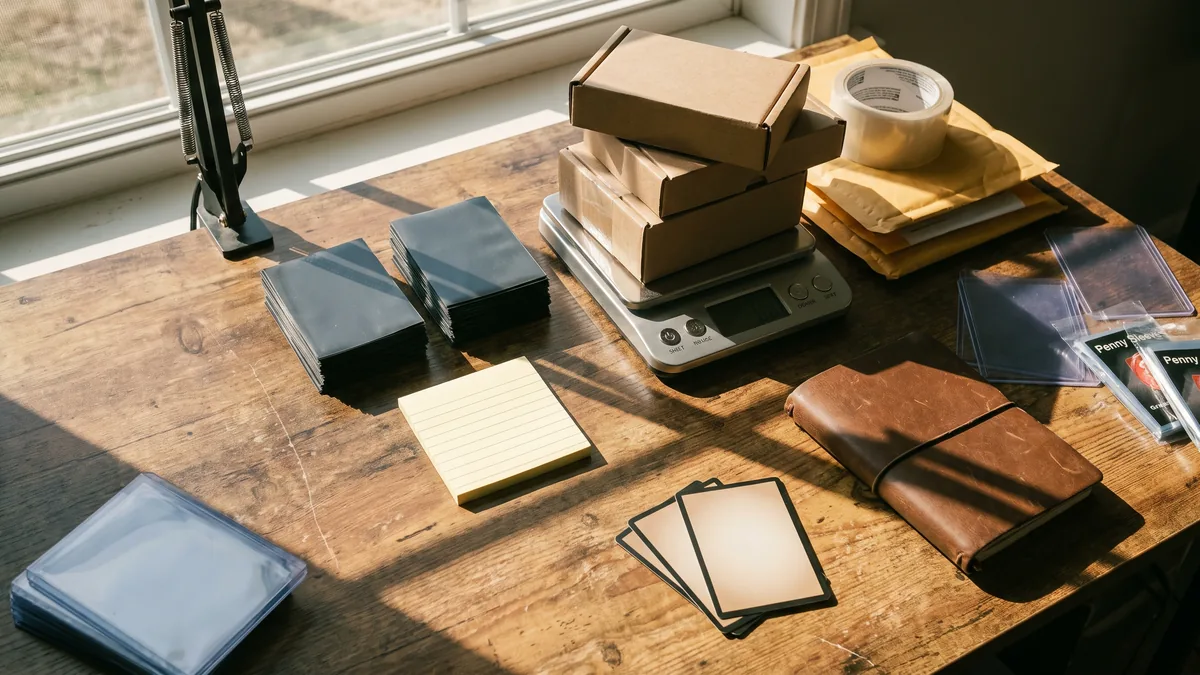
TCGplayer vs Cardmarket Price Differences Explained
Learn why TCGplayer and Cardmarket prices differ and how to compare US vs EU listings using condition, currency, shipping and fees, and regional demand.
Learn how to identify your card, verify condition, and use market price and sold listings for a reliable Pokemon card value and card price lookup.
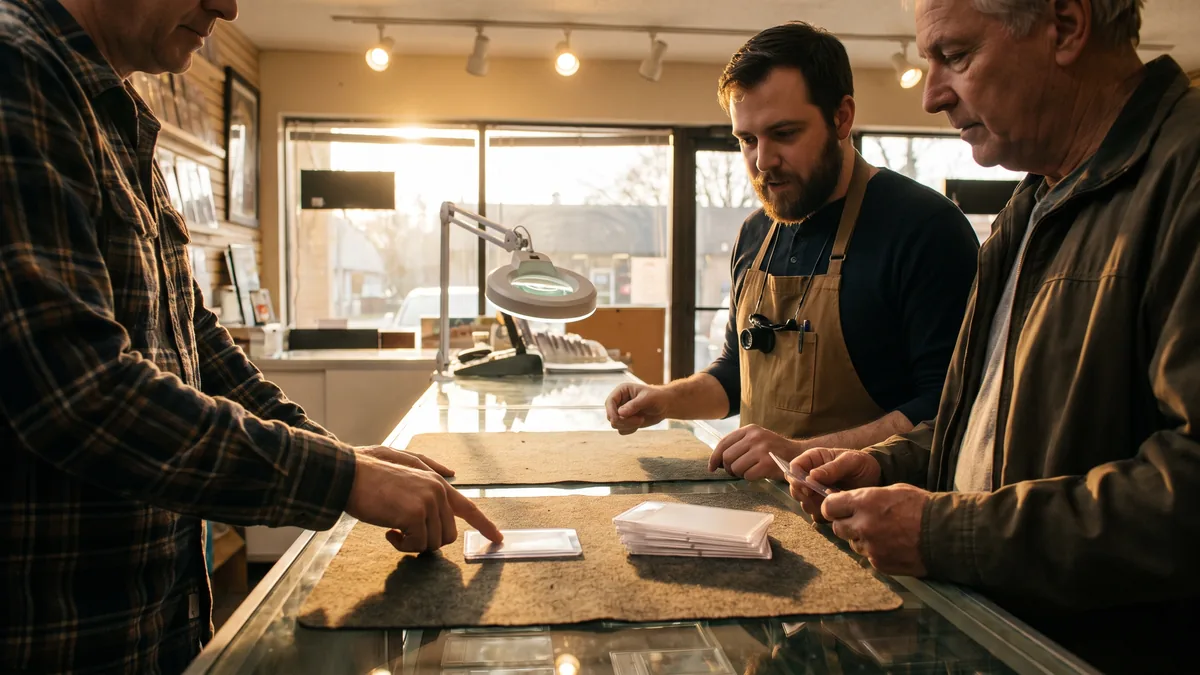
Pricing Pokémon cards is simple in theory—find the card, check prices, and you’re done. In practice, most “wrong values” come from misidentifying the exact printing or ignoring condition. Here’s a collector-to-collector method you can repeat every time.
If you don’t match the exact version, every market price you see is basically noise. Start by locking down the card’s identity using what’s printed on it—then confirm with a catalog listing.
Pick up the card under good light and note these items:
Actionable tip: Take one clear photo of the bottom third of the card (collector number + set info). That single image prevents most “wrong version” mistakes.
These are the mistakes that most often blow up a card price lookup:
Once you’ve read the card, cross-check it in a database or marketplace listing:
If you have a pile of mixed cards and aren’t sure what you’re looking at, Scanner TCG AI can help identify an unknown card from your camera scan and pull up the correct entry for faster sorting.
Condition is the multiplier. Two identical cards can be worlds apart in value if one has edge whitening and the other is truly clean.
Most marketplaces and sellers use a scale like:
Actionable tip: When you do a card price lookup, filter or compare prices within the same condition. “NM” pricing is not a fair reference for an LP card.
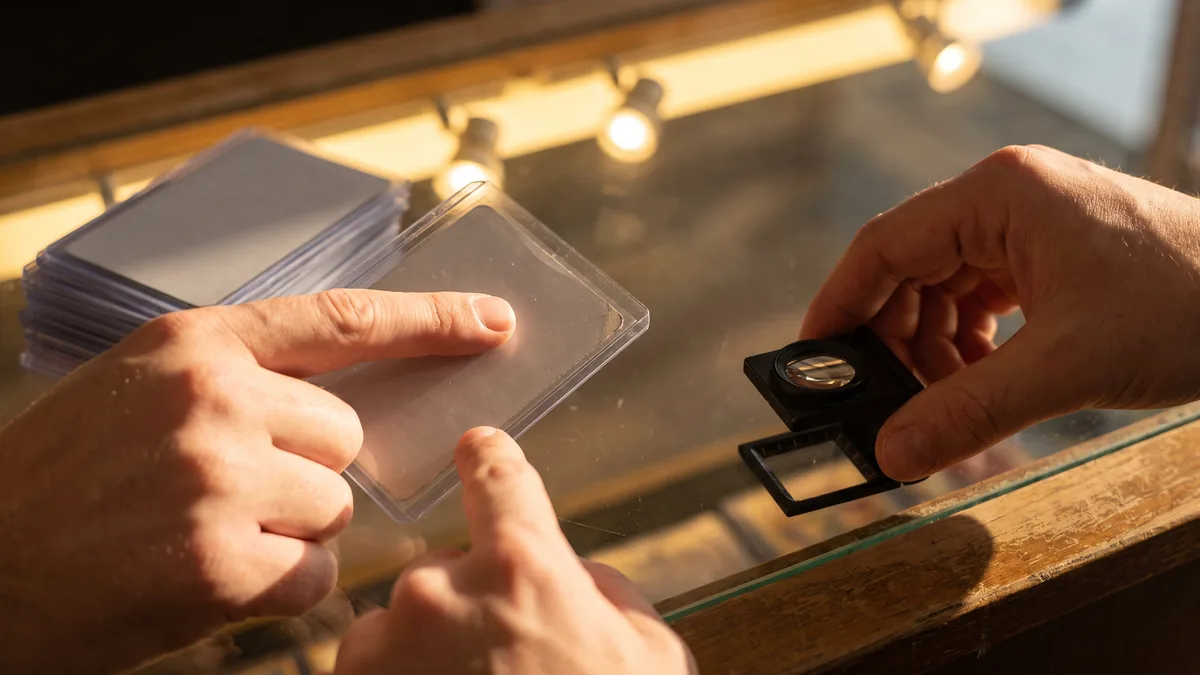
Use a desk lamp or phone flashlight and do this every time:
If you plan to sell or trade, take:
This makes your pricing defensible and helps you compare to sold listings that include photos.
A single number is never the whole story. Good valuation triangulates: marketplace market price, regional trends, and real-world sold listings.
On TCGplayer, the market price is a useful reference point, but you should still:
Actionable tip: If the low listings are far below the typical price, click into those listings—many are different conditions, languages, or mislisted versions.
On Cardmarket, Trend Price can help smooth out noise, but always:
Actionable tip: If Trend Price and current listings disagree sharply, the listings often tell you where the next sale will land.
eBay sold listings show what buyers actually paid, which is crucial when market price is stale or manipulated.
How to do it cleanly:
Actionable tip: Use sold listings with clear photos, because keywords are often wrong even when the sale is real.
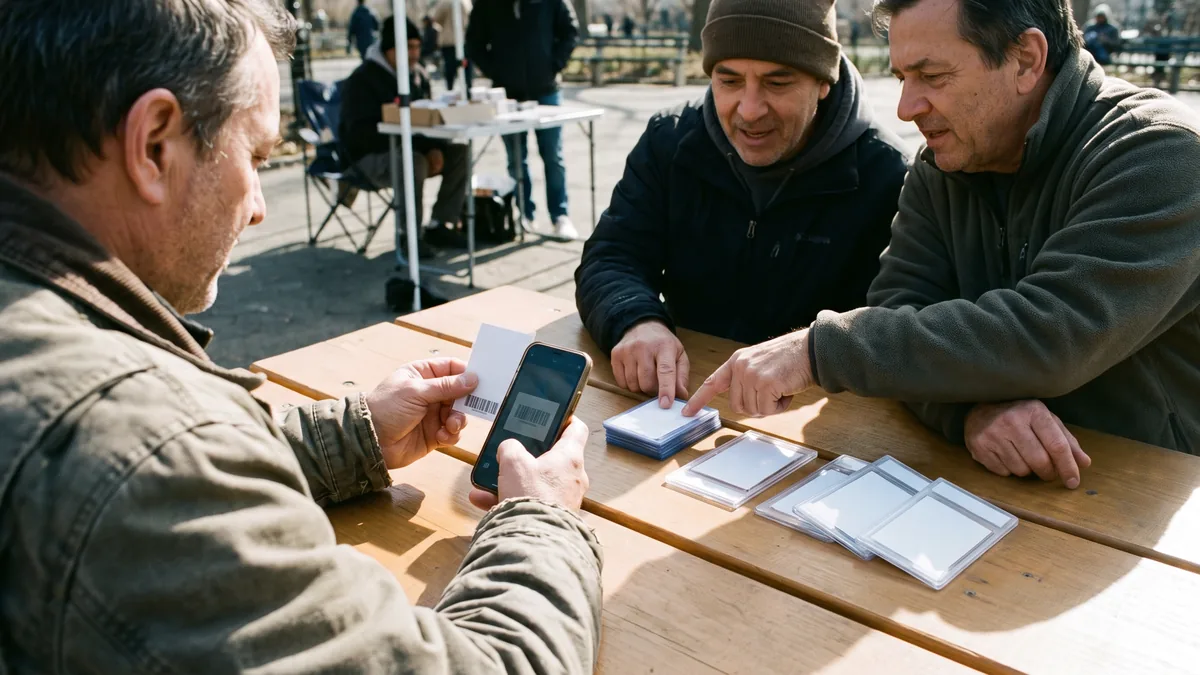
After you have baseline pricing, you still need to account for “same card, different market.”
Graded cards (PSA , BGS , CGC ) trade in a different lane than raw cards.
Actionable tip: If you’re considering grading, photograph the card under harsh angled light first; if you can see scratches easily, graders will too.
Some cards have value-changing markers:
Actionable tip: When searching, include the stamp text in your query (for example, add “promo” or the stamp wording) to avoid pricing the unstamped version.
English often has the most visible pricing data, but Japanese/Chinese/Korean markets can behave differently due to:
Actionable tip: Price within the same language first, then use cross-language comparisons only as a rough sanity check.
A card’s value is only real if the card is real. Counterfeits exist across modern chase cards and vintage staples.
These checks don’t require special tools:
Actionable tip: Compare your card to a confirmed real card from the same era under the same light—differences jump out faster side-by-side.
If you’re unsure, avoid “pricing it like it’s real” until verified. Tools like Scanner TCG AI can help flag suspicious scans and keep questionable cards separated in your collection notes.
You don’t “lock in” a Pokemon card value until the card stays in that condition through storage and shipping.
Actionable tip: Sleeve first, then insert into the toploader slowly—most edge whitening happens during rushed loading.
Actionable tip: Don’t tape the card itself or the sleeve opening—buyers hate residue, and it can cause damage when opened.
Use the exact card identity (set, collector number, finish, language) and compare TCGplayer market price, Cardmarket trend, and eBay sold listings. Match condition closely, because NM and LP can price very differently. If you can’t identify the printing, price checks won’t be reliable.
Market price is a calculated reference based on recent sales or sales signals on that platform, not a guaranteed cash-out number. It can lag behind fast-moving cards and can be skewed by low-volume sales. Always cross-check with sold listings and current available listings.
Some eras and printings with a first edition mark can be worth more, but it depends on the specific card, set, and condition. Verify the stamp/symbol on your copy and compare it only to sold listings of the same first edition version. Don’t assume “older” automatically means “first edition.”
Grading can increase value when a card is truly high condition and in demand, but it can also cost money and time with no payoff if the grade comes back lower than expected. Check the grader’s current fees and tiers directly, and pre-inspect for scratches, whitening, dents, and centering. Compare recent sold listings for the same grade before deciding.
Learn why TCGplayer and Cardmarket prices differ and how to compare US vs EU listings using condition, currency, shipping and fees, and regional demand.
Learn to verify Pokemon card values using TCGplayer market price, Cardmarket trend price, eBay sold listings, and condition checks to avoid bad comps.

Release order, set structure, numbering, rarity symbols, print quality and price. What actually separates Japanese and English Pokémon cards, and which to buy.